From Investment to Impact: What Canada’s Sport Funding Means for Participation and Community


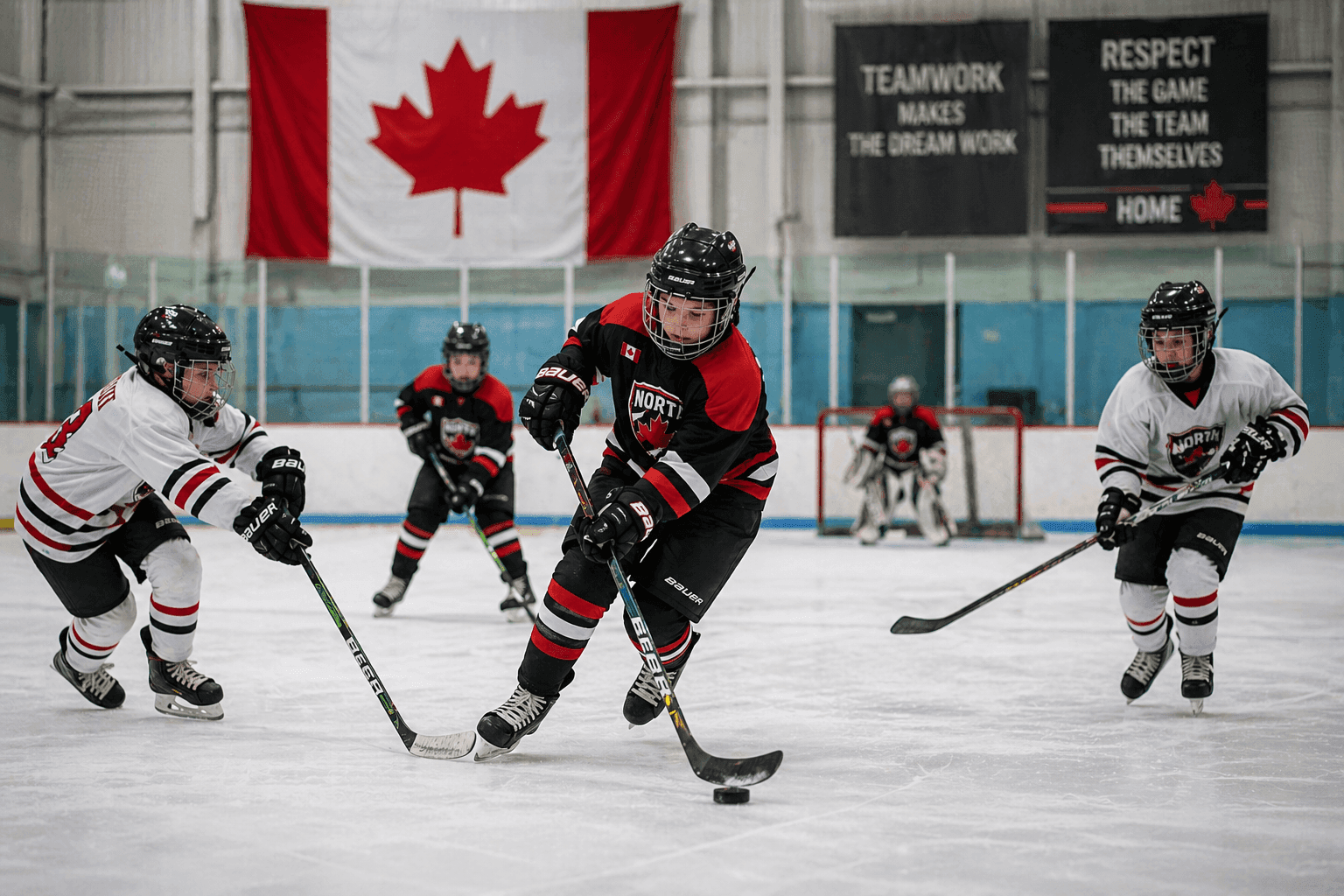
Canada’s latest investment in sport reflects growing participation, rising community demand, and the increasing role sport plays in driving connection, engagement, and impact across the country.
The Government of Canada’s Spring Economic Update sends a clear signal about the role sport plays in this country, and the timing couldn’t be more aligned with what we’re seeing in the data. With $755 million proposed over five years and $118 million in ongoing funding to strengthen Canada’s sport system, this investment reflects a broader shift: Canadians aren’t just supporting sport, they’re expecting more from it.
Sport in Canada has always extended beyond competition. It supports more than 100,000 jobs nationwide and plays a critical role in community building, inclusion, and national pride. The federal government’s goal - to grow participation, strengthen safe and inclusive sport at all levels, and help more Canadians succeed from the playground to the podium - mirrors both public sentiment and emerging participation trends.
Youth Sport Participation Is Rebounding Strongly
After years of pandemic-related disruption across schools, community programs, and recreation facilities, youth sport participation in Canada dipped below 70%. That recovery is now well underway. More than three in four Canadian households report children participating in sport in 2025, pointing to renewed momentum and a re-engagement with activity at a national level.
Importantly, this growth isn’t concentrated at the elite level. In households with children playing sport, just under half (44%) participate competitively, while the majority are involved casually or recreationally. That balance reinforces a key reality: a healthy sport system isn’t built solely on high performance - it depends on accessible, entry-level participation.
The growth is also broad-based. From 2018 to 2025, participation has increased across basketball, soccer, football (including flag), cricket, wrestling, and lacrosse - highlighting both the strength of traditional sports and the diversification of Canada’s sport landscape.
Addressing Barriers That Still Limit Participation
While momentum is building, the barriers are clear and persistent. Cost remains the most significant constraint, with 80% citing fees and 77% pointing to equipment costs. Accessibility barriers (63%) and poor-quality facilities (61%) continue to limit participation, reinforcing that demand alone isn’t enough without the infrastructure to support it.
Exposure also plays a critical role. Over one in three Canadians agree that access to community facilities (34%) and youth sport organizations beyond school (37%) strongly influences which sports children pursue.
The proposed $660 million over five years, plus $110 million ongoing, for National Sport Organizations directly targets these pressure points - supporting participation, particularly among children and youth, while modernizing funding levels that have remained unchanged since 2005.
A Resurgence of Canadian Pride Through Sport
At the same time, sport is re-emerging as a central driver of national identity.
Recent global events have reinforced this. The Winter Olympics reignited a sense of collective pride reminiscent of Vancouver 2010, while the upcoming World Cup will bring global attention to Toronto and Vancouver, positioning Canada on one of the largest stages in sport.
Moments like the 2025 4 Nations Face-Off show what happens when sport and national identity converge. Engagement spikes, sponsor recall increases, and the conversation extends beyond sport into broader culture. With coverage across CBC, TSN, and digital platforms, this momentum is not only visible - it’s accelerating.
Why Community Investment Is Becoming More Important
At the center of this shift is community.
Nearly half of Canadian consumers (46%) say they are more likely to be impacted by a brand or partner when it invests in local or municipal assets - whether that’s community facilities, recreation centres, arenas, pools, or programs.
At the same time, Canadians are calling for more investment in parks, playgrounds, and trails (33%), as well as recreation centres, fields, arenas, and pools (28%). These are not just infrastructure priorities, they are environments where connection, participation, and engagement naturally occur.
Looking ahead, demand for major national moments remains strong: 67% of Canadians say they would like to see another Olympic Games hosted in Canada, reinforcing the enduring link between sport, community, and national pride.
The Takeaway
This funding announcement represents more than investment - it reflects alignment.
Between government priorities, consumer sentiment, and participation trends, the direction is clear: Canadians are ready to invest in sport not just as competition, but as a system that drives connection, community, and cultural relevance.
And as that system grows, so does the opportunity to engage with Canadians where it already matters most.
Looking to better understand municipalities, sport participation, or how Canadians are engaging with sport today? Connect with the SponsorPulse team to explore the data behind it.